Related Services
Learning, movement, communication, regulation, and independence are connected. So are our teams.
At AHM, therapists plan with teachers, and therapy happens where students use the skills, in the classroom, the gym, the pool, the kitchen, the hallway, and the community. Services are provided as written in each student's IEP.
Our services
Physical Therapy
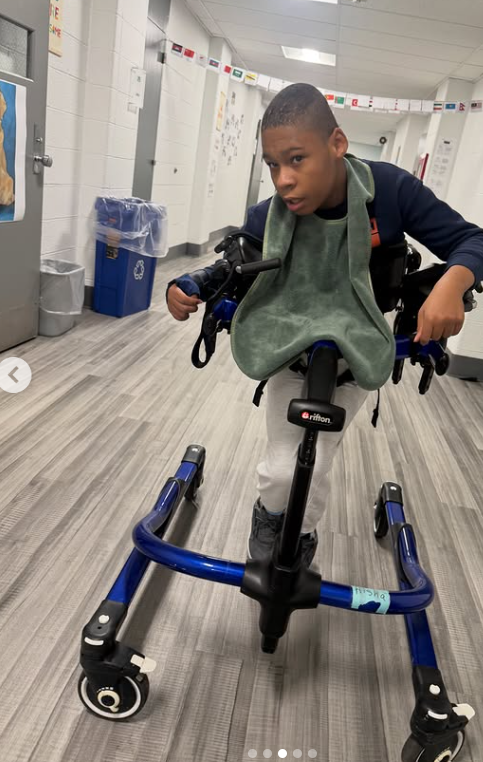
Gross motor development, mobility, positioning, balance, coordination, strength and endurance, motor planning, safe participation, adapted mobility and equipment, and physical access throughout the school.
Occupational Therapy
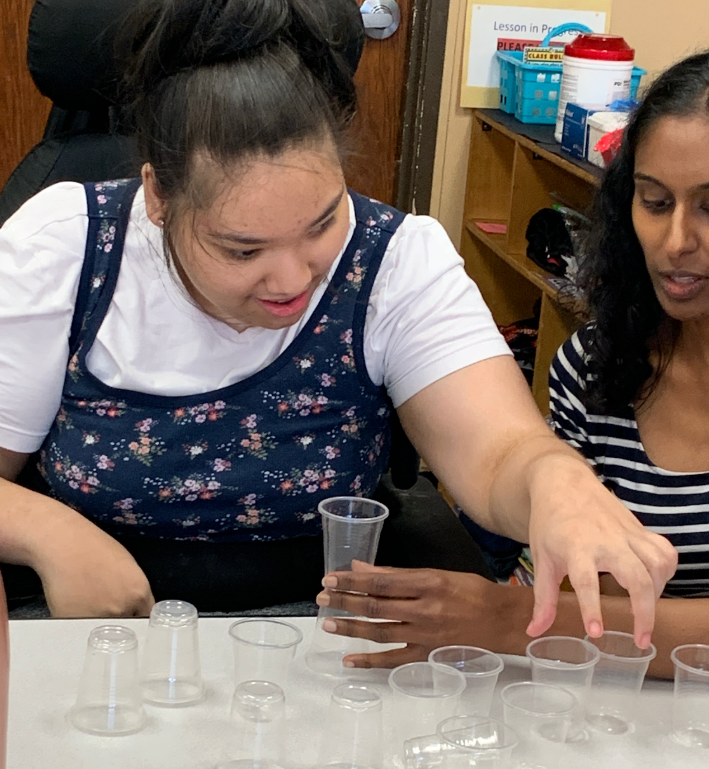
Daily-living activities, fine motor skills, visual and perceptual skills, coordination, sensory processing and regulation, classroom access, organization, adaptive equipment, and assistive technology, always inside meaningful routines.
Speech-Language Services
Receptive and expressive language, functional communication, AAC, social and pragmatic communication, articulation and fluency where applicable, and communication across every school environment, with staff and family collaboration.
Music Therapy
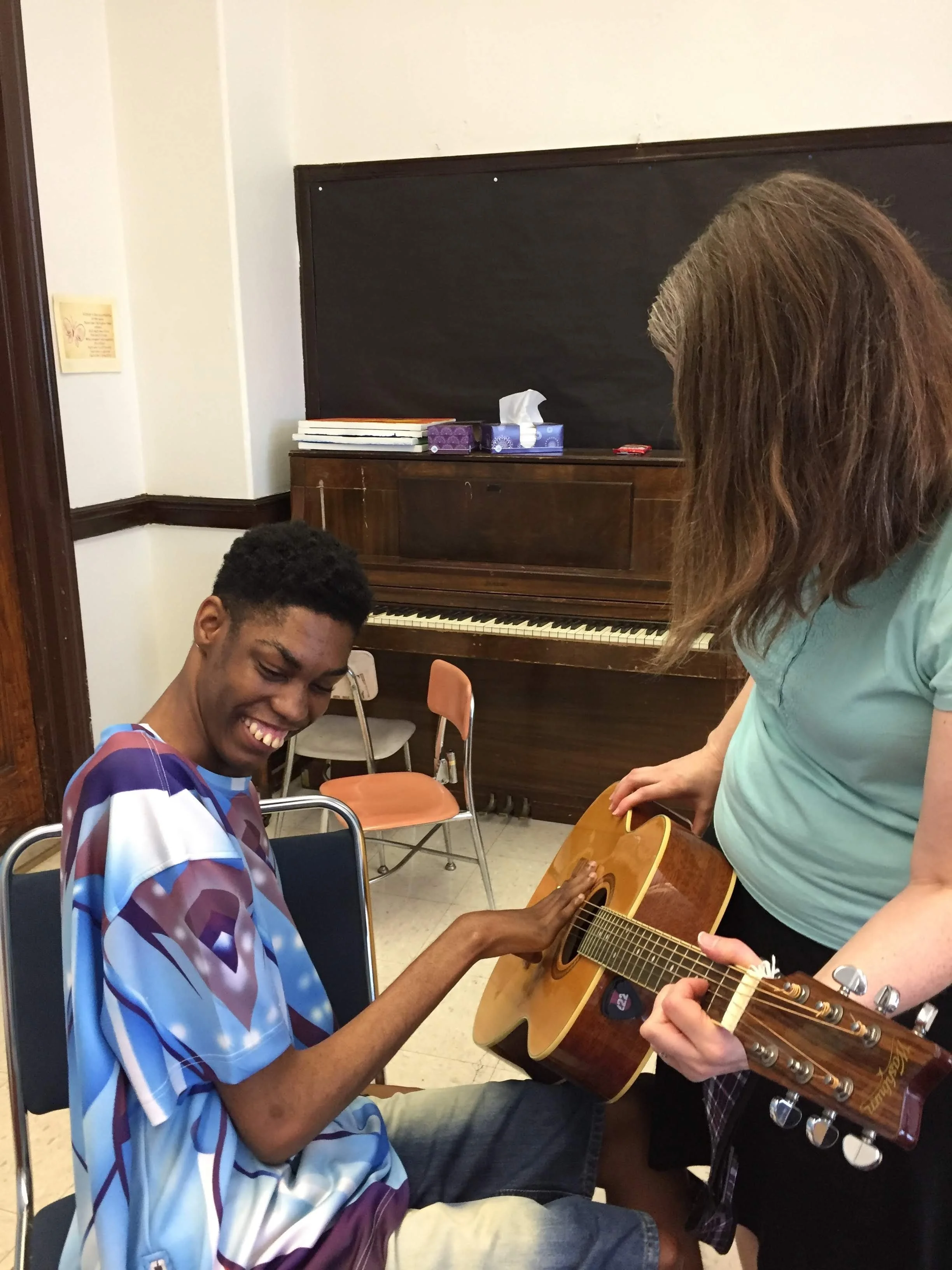
Music as a therapeutic medium for communication, participation, social interaction, movement, emotional expression, engagement, and shared experiences.
Nursing & Health Services
Certified school nurses support health, safety, access, and participation every school day, and partner closely with families and physicians.
Sensory supports
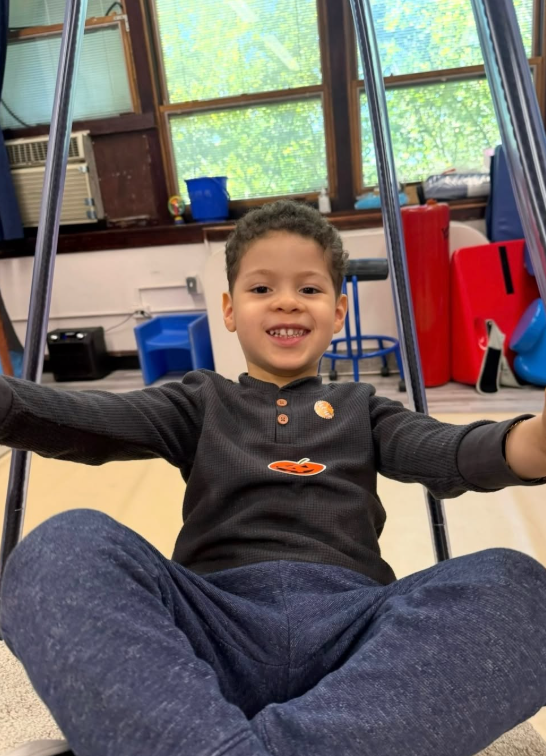
Individualized sensory strategies help students regulate, attend, engage, move, explore, and take part, in a sensory space, in the classroom, or on the move.
Related services are individualized and written into each student's IEP. We never publish individual therapy schedules.
Adapted Physical Education
Move. Play. Compete. Connect. Grow.
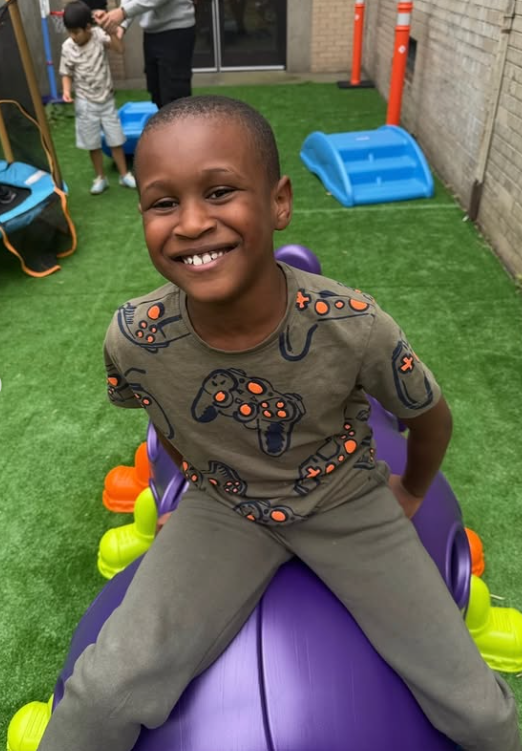
Individualized physical education with adapted equipment, movement, games, sports, aquatics, dance, and Special Olympics, built so every student can take part and be part of a team.
Move
Adapted bikes, walking, wheeling, stretching, and strength.
Play
Games built for every body and every way of moving.
Compete
Special Olympics and school-wide events.
Connect
Teammates, turn-taking, cheering each other on.
Grow
Confidence, endurance, and skills that last a lifetime.
One team
One team around every student
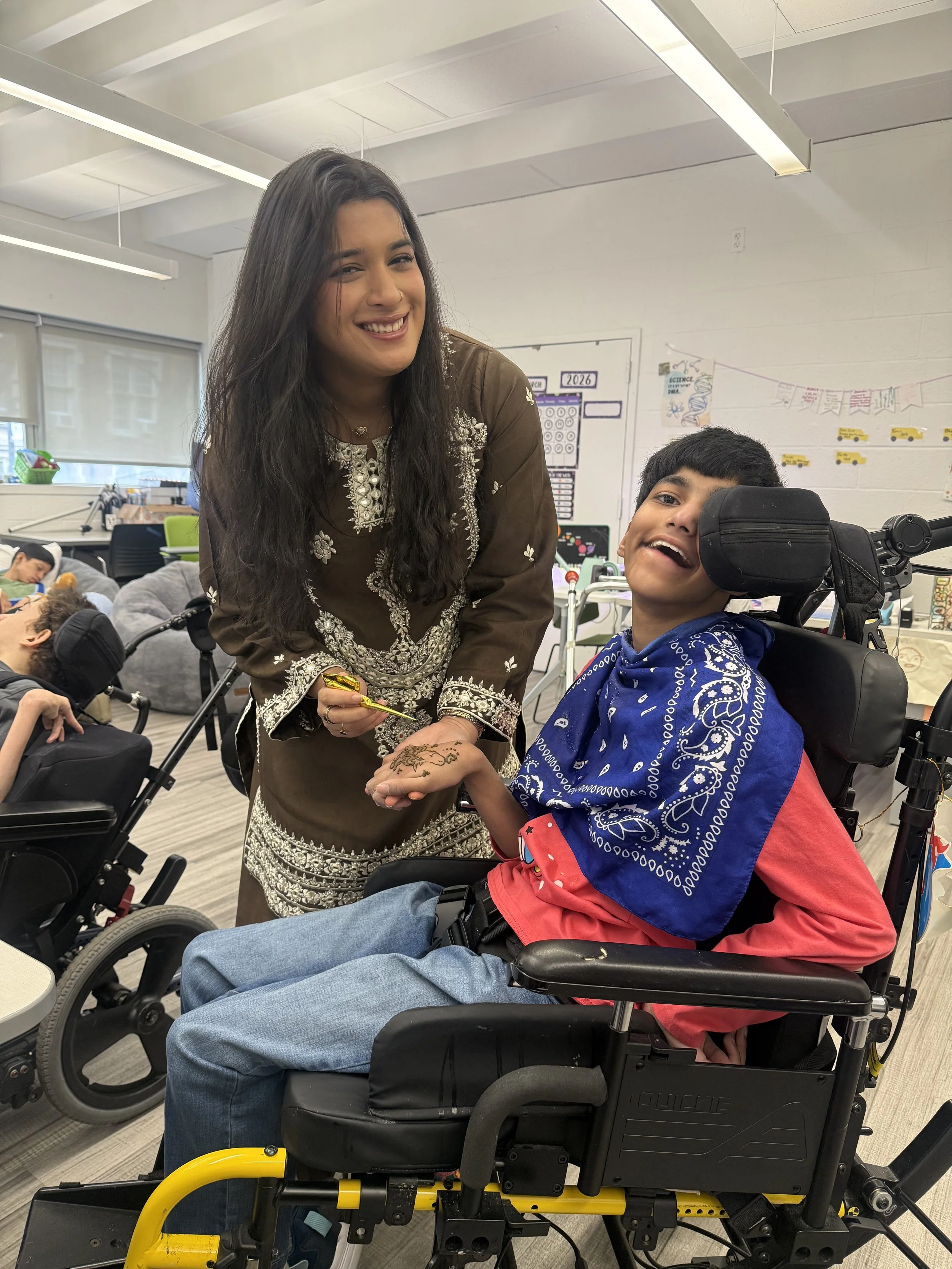
Teachers, therapists, nurses and paraprofessionals share one plan for each student. That means a communication goal shows up in gym class, a motor goal shows up at lunch and a daily-living goal shows up in the kitchen, not just in a therapy room.
A closer look at each service
Open any service below for the details families ask about most: what the therapists work on, where therapy happens and how the team shares goals across the day.
Music Therapy
Sensory program
-
Physical therapists at AHM work with students across a wide range of abilities. Together we build gross motor skills, balance and coordination, safety, body awareness and motor planning, range of motion, strength and endurance, and good body mechanics, in the gym, the pool, the hallway, and the classroom.
The team also manages equipment that helps students move and take part: orthotics, compression and weighted garments, helmets, wheelchairs, strollers, walkers, crutches, positioning equipment, standers, specialized classroom seating, and equipment for home. Clinics held at school bring specialists to the students: an orthopedic physician evaluates students regularly, an orthotist visits to make and adjust orthotics, and equipment vendors come to school to service wheelchairs and other equipment.
Therapy does not end when a session ends. Therapists talk with families, teachers, and other therapists so that each student's functional goals live inside the school day, and plans are adjusted as students grow.
-
Our occupational therapists focus on the whole child, using each student's strengths to open up access to learning and daily life. Common areas: activities of daily living, fine motor skills, visual and perceptual skills, attention, organization and task skills, sensory integration and self-regulation, social skills, motor coordination, and handwriting.
Services include individual and group therapy, adaptive equipment, assistive technology, multi-sensory environments, wheelchair clinics, and programs such as Brain Gym, Handwriting Without Tears, Therapeutic Listening, The Listening Program, pediatric massage, and yoga.
How school-based OT works. School-based occupational therapy builds the skills students need to take part in school: handwriting, classroom activities, self-care, sensory regulation and daily routines. Rather than medical treatment, therapists use play-based activities, sensory strategies and proven approaches to strengthen motor, social and sensory skills, working from the top down to increase participation, from the bottom up to build underlying skills, and with adaptations and compensatory strategies that promote independence.
The Pyramid of Learning. Our therapists use this visual model to understand how children build skills from the ground up. Feeling comfortable in one's body, staying regulated, paying attention and moving well are the foundation for more advanced skills such as communication, learning, problem-solving and joining in everyday activities. It helps the team see which foundational skills may be affecting a student's ability to learn, interact and complete daily tasks.
Individual and small-group sessions focus on four areas. Fine motor development: music, rhythm and instrument-based activities build coordination, grasp, hand strength, dexterity and bilateral coordination, and art-based tasks build the precision and endurance classroom work needs. Visual motor integration: dance, movement, technology and classroom materials develop visual tracking, visual perception, eye-hand coordination, motor planning, spatial and body awareness, and support handwriting, copying, cutting and navigating the building. Sensory processing: sensory strategies, movement, music and environmental modifications support attention, regulation and engagement, with individualized sensory supports that teachers and therapists carry through the whole day. Activities of daily living: therapists assess how each student manages dressing, feeding, hygiene, organization and classroom routines, and recommend assistive technology, adaptive equipment and accessibility supports, including technology for written expression, communication access, task completion and executive functioning.
OT inside the school day (push-in). Instead of only pulling students out, therapists embed goals in natural classroom activities so skills carry over, peers model for one another and the work stays meaningful. In the classroom, OTs support organization, attention and self-regulation across subjects, cooperative learning and self-advocacy, fine motor and handwriting skills for real assignments, and access to adaptive equipment, assistive technology, sensory supports, visual schedules, flexible seating and movement breaks. In music therapy, clapping rhythms, playing instruments and movement songs build attention, motor planning, bilateral coordination, timing and social participation. In dance class, movement develops balance, postural control, motor planning, body awareness, endurance and sensory processing. In the library, students practice locating materials, carrying books, following routines and sustaining attention during literacy activities. In technology, OTs evaluate keyboarding, handwriting, visual motor and executive functioning needs and recommend adaptive equipment, alternative input devices and software that support writing, communication and organization.
One team, every setting. Across all of these settings the OT works alongside the music therapist, dance instructor, librarian and technology teacher to co-plan goals, model strategies and gradually hand off support, so staff can reinforce fine motor, sensory and self-regulation targets between visits.
-
Speech-language pathologists provide individualized therapy across every area of communication: receptive and expressive language, auditory processing, social and pragmatic language, articulation, fluency, oral-motor skills, and feeding and swallowing.
AHM uses a total communication approach. Spoken words, AAC devices and apps, picture exchange, symbols, gestures, and sign are all valued, and each student's system is honored by every adult in the building. All of our speech-language pathologists are certified by the New Jersey Department of Education and hold ASHA certification.
Speech-language support inside the school day (push-in). Instead of only pulling students out for isolated sessions, our SLPs build language, total communication and social goals directly into natural classroom activities, which increases carryover, peer modeling and real-world relevance.
In music therapy, songs, rhythm and repetition build vocabulary; predictable, melodic speech patterns support articulation and fluency; group songs and instrument activities reinforce turn-taking and multi-step directions; and the SLP co-plans with the music therapist to embed target sounds and AAC use in call-and-response songs. In dance class, movement sequences teach spatial and directional words such as turn, under and beside; students practice expressive language by giving directions and narrating movements; eye contact, gesture and body language are valued as communication; and AAC devices are always within reach so students who use them can request songs, moves or partners. In the library, read-alouds build story retelling, book discussions grow vocabulary and figurative language, and peer book talks practice asking and answering questions, with speech-generating devices and communication apps part of shared reading for students who use them. In technology, SLPs bring AAC devices and communication apps into classroom technology routines, support text-to-speech and speech-to-text tools, troubleshoot AAC systems alongside staff during digital literacy activities, and reinforce functional communication through educational software (following directions, sequencing, categorizing).
One team, every setting. In all four settings the SLP works alongside the music therapist, dance instructor, librarian and technology teacher to co-plan goals, model strategies and gradually release support, so staff can reinforce communication targets between visits.
-
Music therapy uses music to address physical, emotional, cognitive, sensory, communication, and social goals, and IEP goals from many areas. Students may take part in groups or individual sessions. Sessions can include instrumental lessons, reading notation, songwriting, group drumming, singing, exploring percussion and melodic instruments, and live music and vibration as a sensory experience. Our music therapists are board-certified (MT-BC) by the Certification Board for Music Therapists.
-
Certified school nurses care for students every school day, including students who receive nutrition by tube. Clinics at school include a physiatrist, orthotics, and adaptive equipment (wheelchair) clinics, and the dietary department plans meals that meet students' needs. AHM also works with the New Jersey Commission for the Blind and Visually Impaired for students who benefit from its services.
-
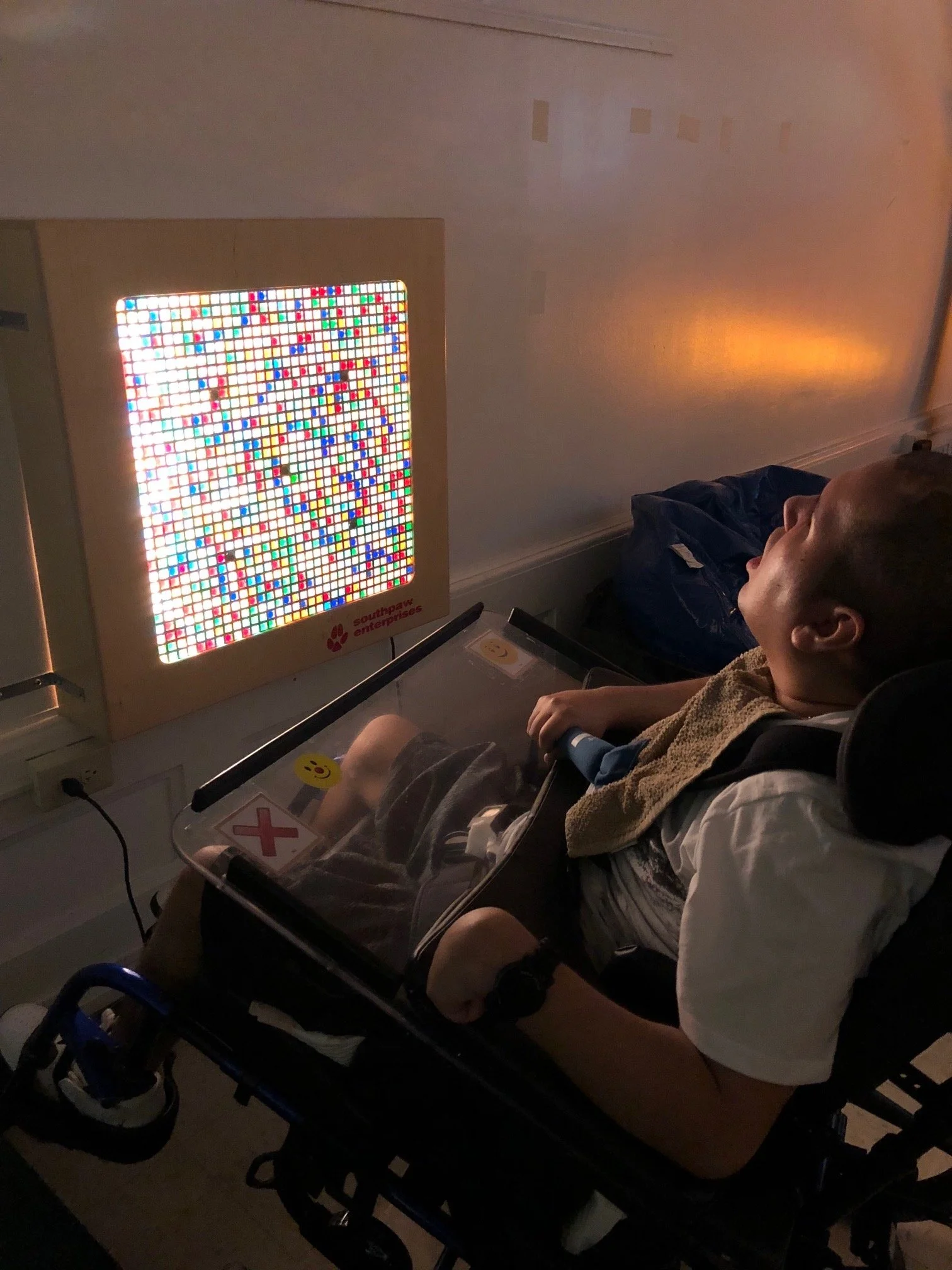
AHM's multisensory environment was created many years ago so that students who take in the world differently can explore it on their own terms. Stations with controlled light, sound, touch, and movement invite students to choose, respond, and take charge of the space around them. The room is non-directive: a place to explore, to settle, and to build the self-regulation that makes learning in the classroom possible. Sensory strategies travel with students into the classroom, the gym, and the community. Learn more about multisensory environments at snoezelen.info.