Career & Transition
The community is a classroom.
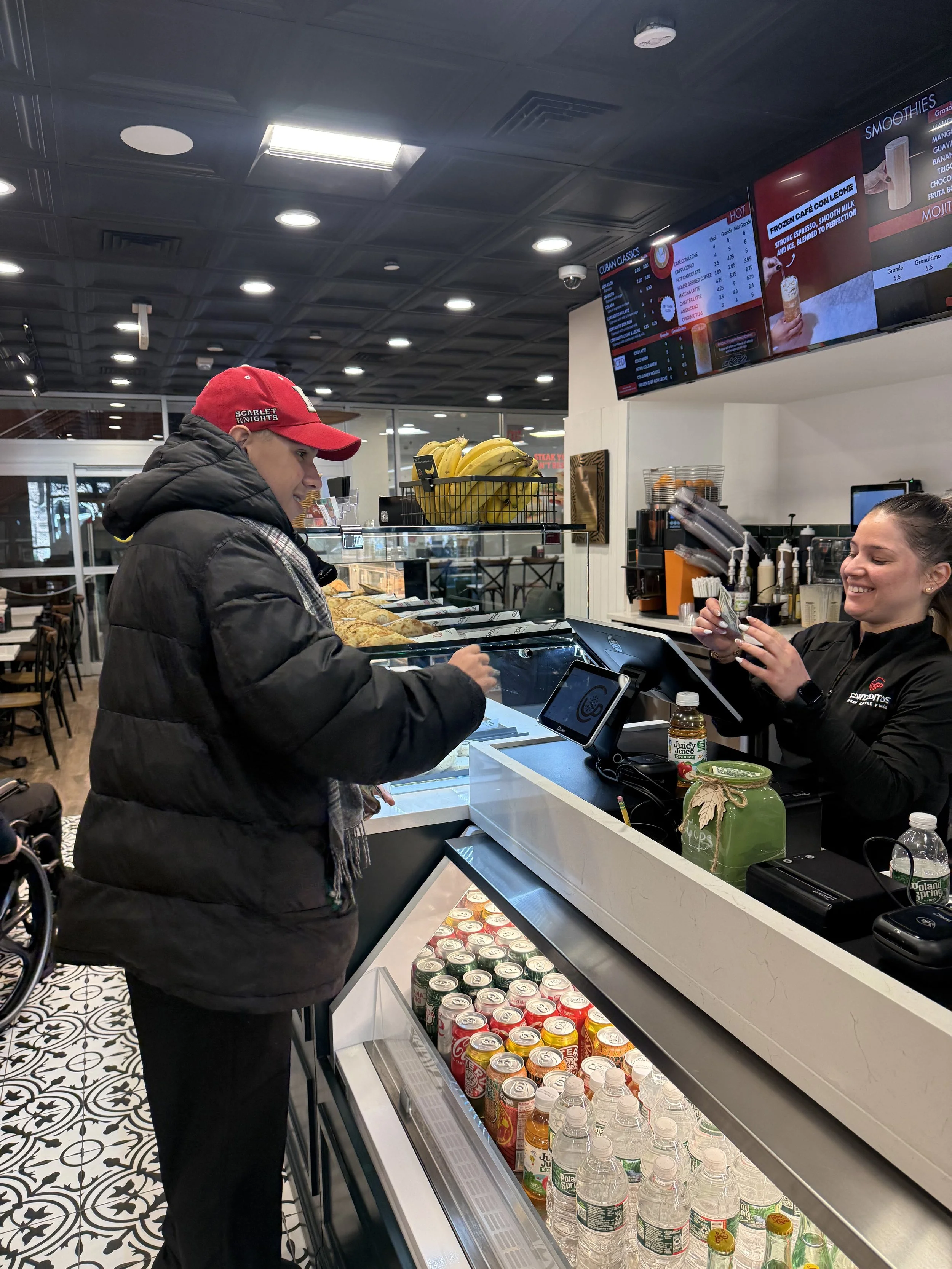
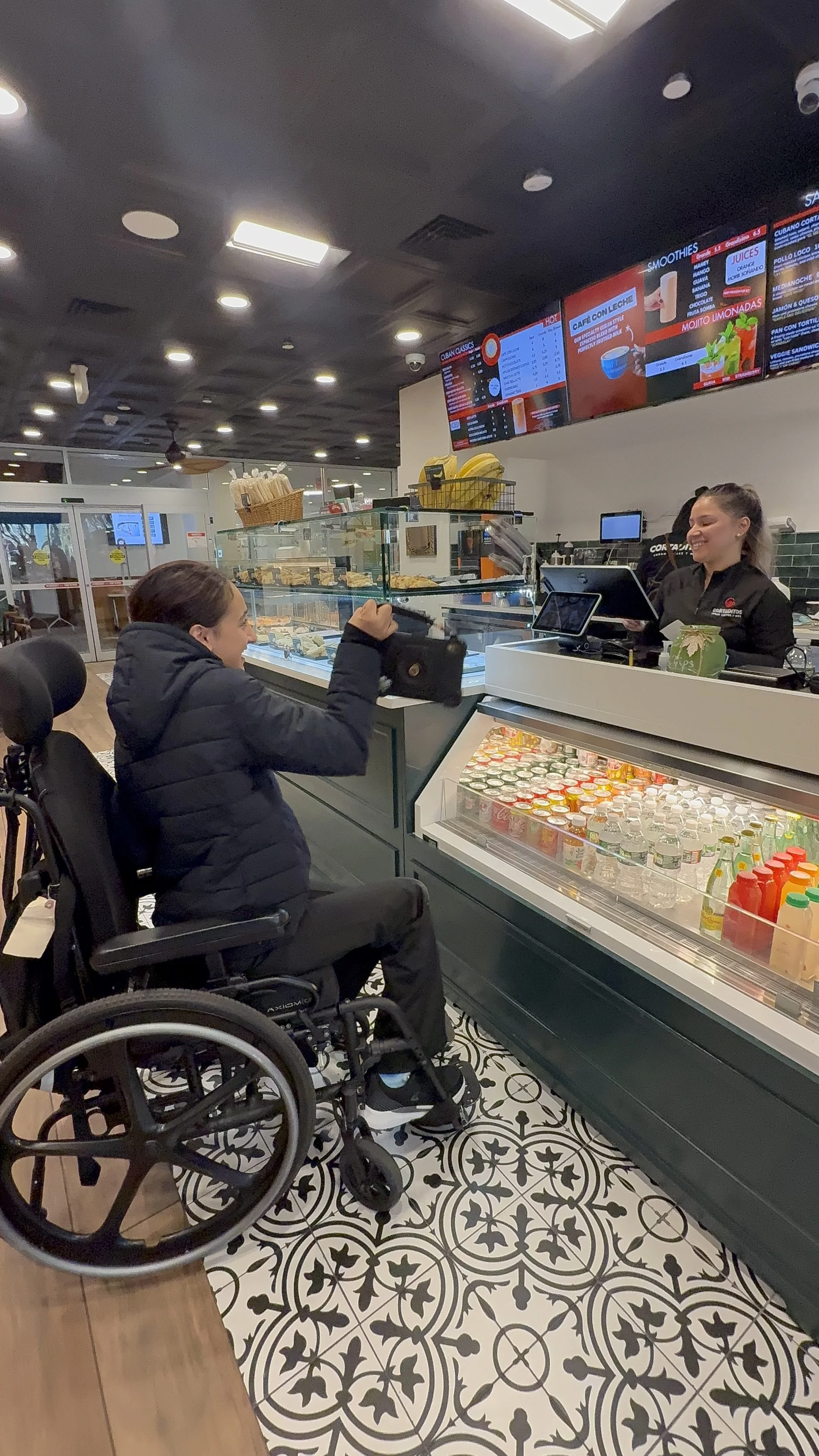
Students practice real skills where they will actually use them: making a purchase, ordering lunch, finding a book at the library, navigating the campus, following a schedule at a job site and talking with people they have never met.
Community-Based Instruction
Learning in the places students live, shop, travel and work
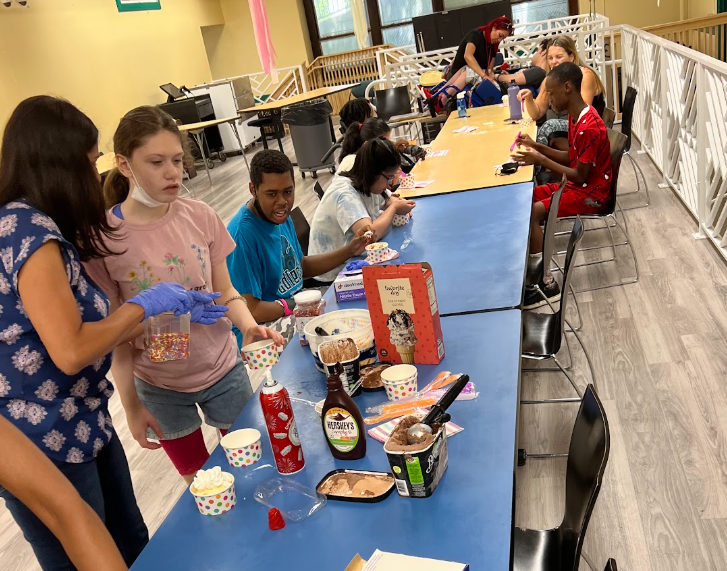
Community-Based Instruction (CBI) takes learning out of the building and into the community. Each outing has a purpose, a plan and the supports each student needs to take part.
Money & purchases
Making purchases, using money and cards, comparing prices, ordering food.
Getting around
Navigating stores, using libraries, finding the way around campus, following community routines.
Communication
Talking with unfamiliar people, asking for help, using a communication device in public.
Safety & choices
Community safety, making choices, and speaking up for what you need.
Recreation
Parks, recreation, and community spaces that students can return to with family and friends.
Reading & math for life
Functional reading and math: signs, menus, schedules, receipts, and lists.
For student safety and privacy, we do not publish individual student locations, schedules, or routes.
Career & Technical Education
Work readiness, one real task at a time.
Our secondary and transition-age students build the habits, skills, and confidence that carry into adult work and community life. Every skill area is taught in a real setting, with the supports each student needs to participate fully.
Work-readiness skill areas
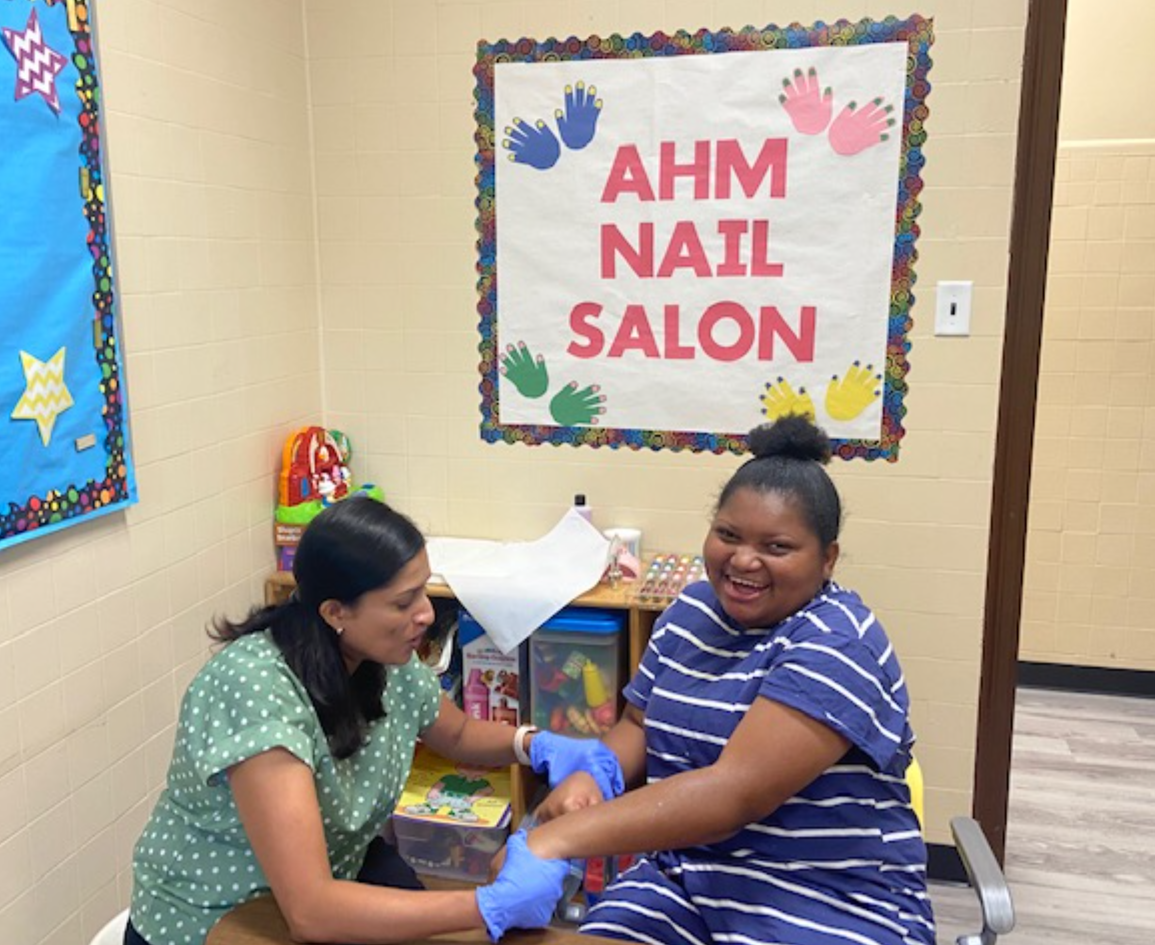
Historic AHM work-learning experiences have included office tasks, mailing, recycling, sorting and packaging, food service and lunch delivery, inventory and supply delivery, purchasing, pricing, labeling, school-store sales and building operations. Today we teach them as six skill areas, in real settings, with the supports each student needs.
Workplace responsibility
Organization · Schedules · Safety · Task completion · Professionalism · Working with others
Office & digital skills
Data entry · Document handling · Mailing · Technology-supported tasks
Operations & inventory
Sorting · Stocking · Inventory · Supplies · Labeling · Deliveries
Culinary & food service
Preparation · Food-related vocational activities · Service routines · Daily-living connections
Retail & customer service
Purchasing · Merchandising · Pricing · Sales · Customer interaction · School-store experiences
Community employment readiness
Communication · Self-advocacy · Problem solving · Following directions · Using skills in new settings
Where this leads
Work readiness at AHM connects directly to the L.I.F.T. program on the Kean Jersey City campus and to each student’s transition plan.
Keep exploring