
Programs
Learning looks different for every student.
One team. One plan. Every part of the day connected. Academics, communication, therapy, technology, movement, social learning and independence are woven together all day long, because that is how life works.
Every AHM student follows an Individualized Education Program (IEP). What that looks like changes with age: exploration and communication in preschool, literacy and numeracy in elementary, growing responsibility in middle school, and real-world preparation in secondary and L.I.F.T. What never changes is the team around each student and the expectation that every student is a learner.
One continuum, from first discoveries to adult life
1. Early Childhood
Ages 3 to 5
2. Elementary
Ages 5 to 10
3. Middle School
Ages 11 to 13
4. Secondary
Ages 14 to 21
5. L.I.F.T. / Transition
Kean Jersey City campus
What grows over time
Each stage builds toward greater:
Communication
From first words, signs or symbols to a full voice of their own.
Choice
Choosing between two things becomes directing your own day.
Participation
From taking part with support to leading the activity.
Self-advocacy
Yes, no, help, break, more, and eventually your own IEP meeting.
Community access
From the classroom to the campus, the store and the workplace.
Future planning
Interests become goals, and goals become a transition plan.
Ages 3 to 5
Early Childhood
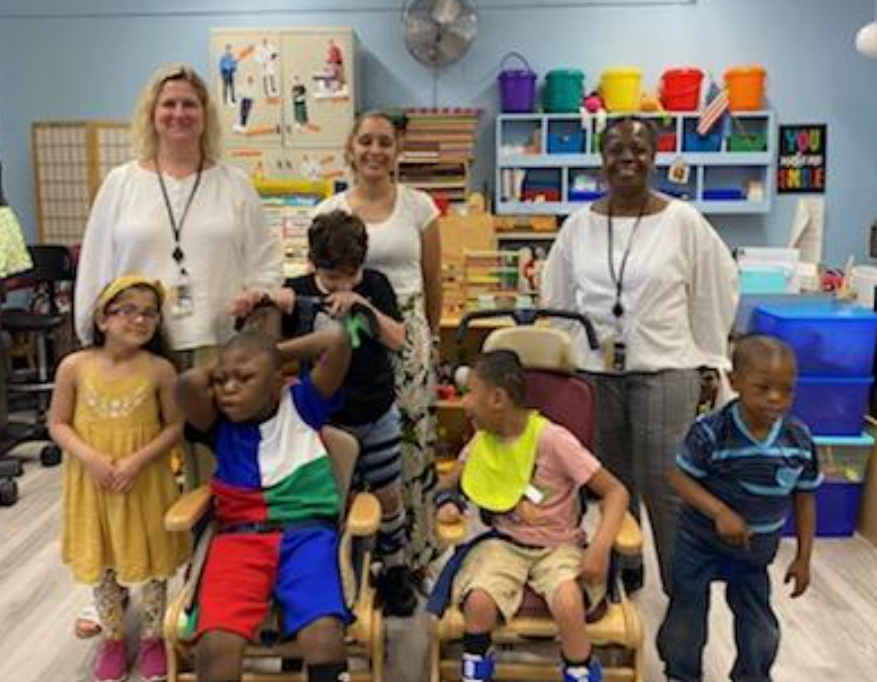
Our youngest students learn through play, routines and relationships. Days are built around communication (spoken words, pictures, signs, first AAC), early literacy and numeracy, movement, sensory experiences and doing things for themselves, with speech, occupational and physical therapists working right in the classroom.
Ages 5 to 10
Elementary
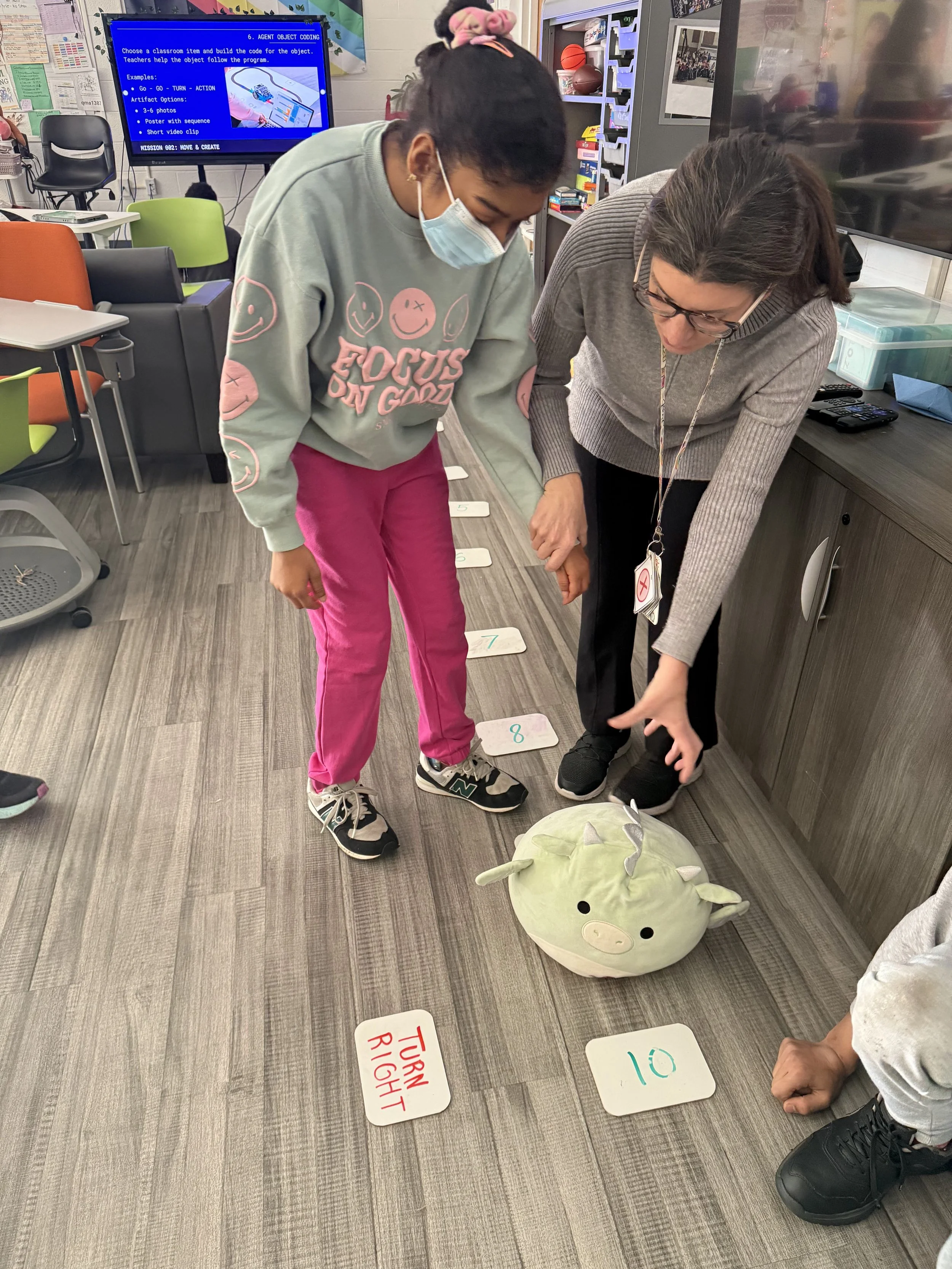
Reading, math, science and social studies, adapted through materials, access method, response method, pacing and level of support, never by lowering expectations. Students also build daily-living, social and technology skills, and use AAC and assistive technology throughout the day.
Ages 11 to 13
Middle School
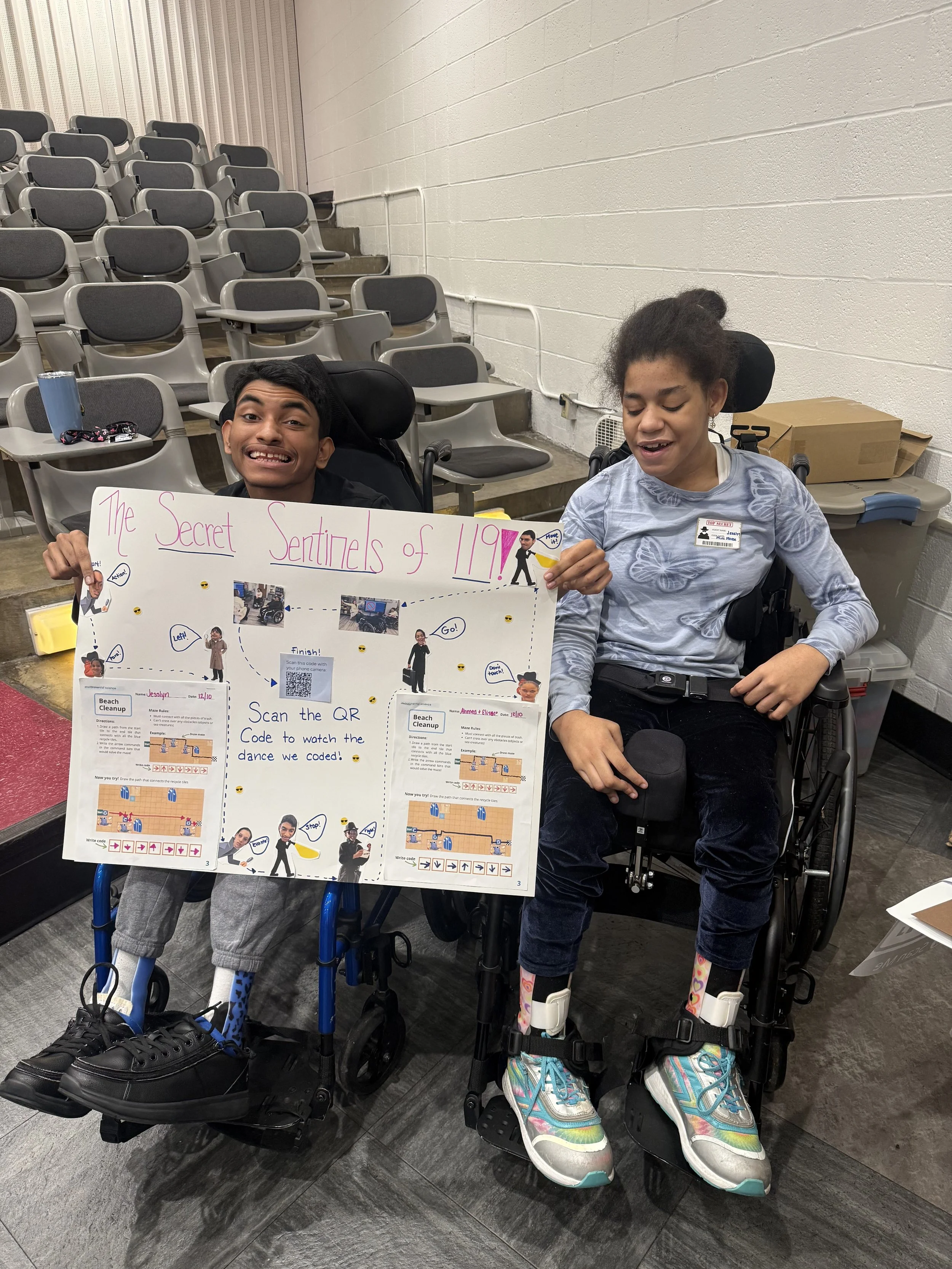
Growing independence: more student choice, more responsibility for routines, beginning career awareness, community readiness and self-advocacy: learning to ask for help, take a break and say what you think.
Ages 14 to 21
Secondary
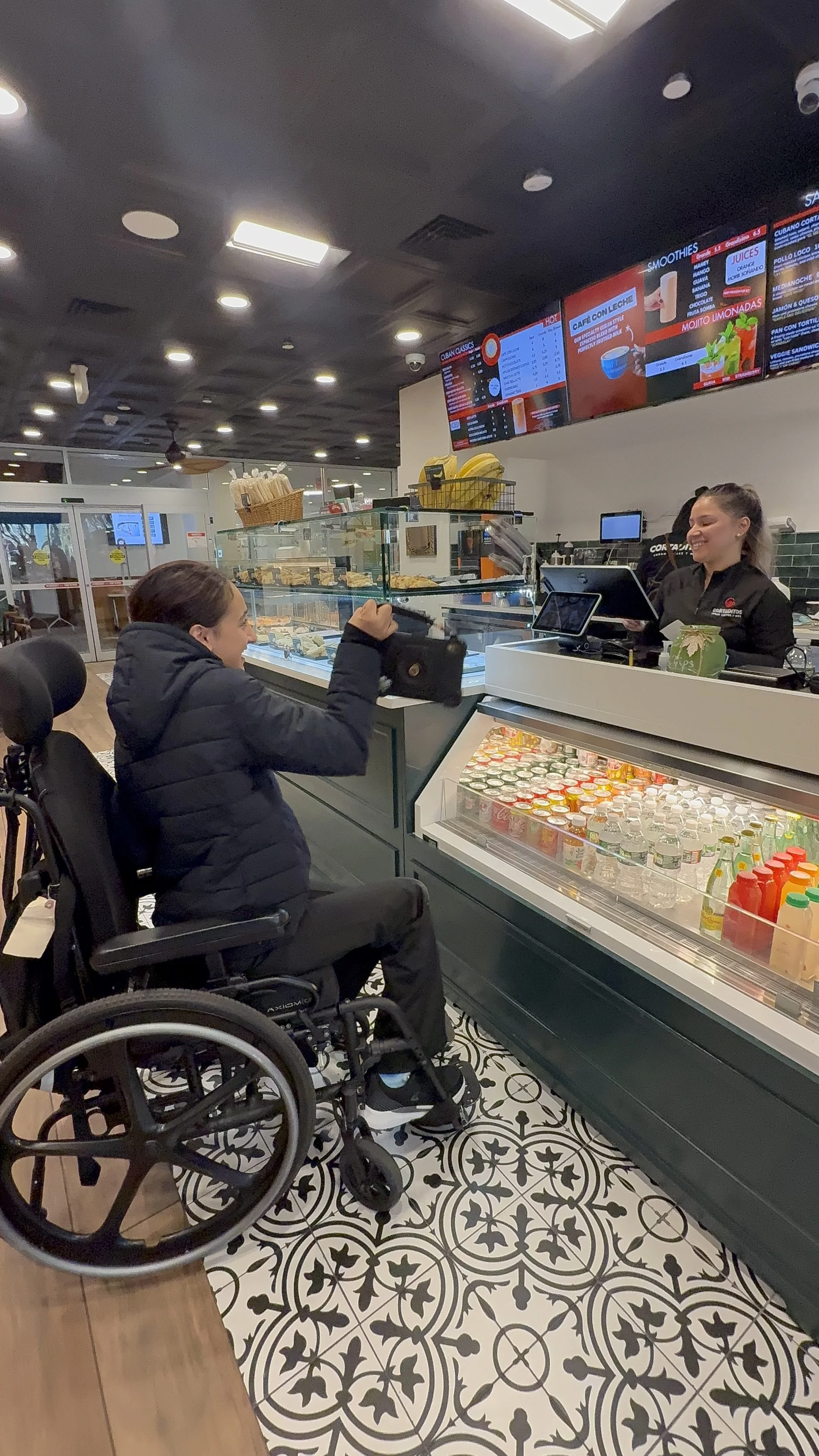
Learning connects directly to adult life: functional academics, communication, daily living, career exploration, community-based instruction, work readiness and transition planning with families and districts. Secondary leads into L.I.F.T.
Extended School Year
Keeping momentum through the summer.
A summer program helps eligible students keep skills and momentum between school years. Eligibility is determined through each student's IEP team.